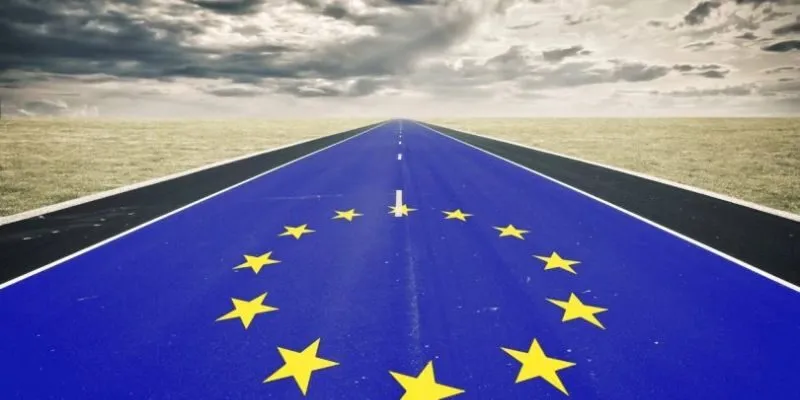
European future is a topic that attracts attention from policymakers, businesses, researchers, and citizens alike. Europe is navigating a period of rapid transformation shaped by technological progress, environmental priorities, demographic changes, and geopolitical developments. Understanding the forces that influence the continent’s direction helps stakeholders prepare for opportunities and challenges in the decades ahead. Check out proeuro sharing right now!
Understanding The European Future
The future of Europe depends on a combination of economic resilience, social cohesion, and strategic decision-making. These factors influence how the region adapts to a changing global environment.
Economic Transformation And Competitiveness
The european future will be strongly linked to economic modernization and productivity growth. European countries continue investing in advanced industries and digital infrastructure. These efforts aim to strengthen competitiveness in global markets. Sustainable economic development remains a major objective for governments and institutions.
Demographic Shifts And Workforce Trends
Population aging is one of the most important trends shaping the continent. The european future will require policies that support labor market participation and skills development. Immigration and workforce mobility may also play significant roles. Long-term planning is essential to maintain economic stability.
Strategic Global Positioning
Europe faces increasing competition from major global economies. The european future depends on maintaining strong international partnerships while protecting strategic interests. Cooperation in trade, security, and innovation can strengthen Europe’s position. A balanced approach will help ensure long-term influence.
Technology And Innovation In Europe
Innovation is becoming a defining factor in economic and social progress. Technological advancement will shape industries, public services, and everyday life across the continent.
Artificial Intelligence And Digital Growth
The european future is closely connected to artificial intelligence and digital transformation. Governments and businesses are investing in AI applications that improve efficiency and productivity. Regulatory frameworks seek to encourage innovation while protecting citizens. This balance may become a global model.
Research And Development Excellence
European institutions have a long history of scientific achievement. The european future will benefit from increased funding for research and development. Universities, startups, and corporations are collaborating on groundbreaking projects. These initiatives can create new industries and employment opportunities.
Smart Infrastructure And Connectivity
Digital connectivity supports economic activity and social inclusion. The european future will rely on advanced communication networks and smart infrastructure. Investments in broadband, 5G, and emerging technologies are expanding access across regions. Improved connectivity enhances both urban and rural development.
Sustainability And Environmental Leadership
Environmental responsibility remains a core priority for Europe. Climate policies and green initiatives are shaping investment decisions and economic strategies.
Climate Neutrality Goals
The european future is strongly influenced by climate neutrality ambitions. Governments are implementing policies to reduce emissions and encourage renewable energy adoption. Achieving environmental targets requires cooperation across sectors. Long-term commitment is necessary for meaningful progress.
Renewable Energy Expansion
Europe continues to invest heavily in renewable energy sources. The european future will depend on reducing reliance on fossil fuels and increasing energy security. Wind, solar, and hydrogen technologies are gaining importance. These developments support both sustainability and economic growth.
Circular Economy Development
Resource efficiency is becoming increasingly important in modern economies. The european future can benefit from circular economy principles that reduce waste and encourage reuse. Businesses are adopting sustainable production methods. Such practices contribute to environmental and financial resilience.
Economic Opportunities And Investment
Economic growth remains a central objective for policymakers and businesses. Future prosperity depends on attracting investment and supporting innovation-driven development.

Expanding High-Growth Industries
The european future includes significant opportunities in sectors such as technology, biotechnology, and clean energy. These industries have the potential to generate substantial economic value. Strategic investment can accelerate growth and competitiveness. Innovation ecosystems play a crucial role in success.
Supporting Small And Medium Enterprises
Small and medium enterprises form the backbone of many European economies. The european future will be strengthened by policies that encourage entrepreneurship and innovation. Access to financing and digital tools helps businesses expand. Strong SMEs contribute to job creation and regional development.
Foreign Investment And Global Trade
International investment supports economic diversification and modernization. The european future benefits when Europe remains an attractive destination for global investors. Stable institutions and skilled workforces increase confidence. Open trade relationships can further stimulate economic growth.
Education And Skills For The Next Generation
Preparing citizens for future challenges requires continuous investment in education and training. Skills development is essential for maintaining competitiveness.
Modernizing Educational Systems
Education systems must evolve to meet changing workforce demands. The european future depends on teaching digital literacy, critical thinking, and adaptability. Schools and universities are updating curricula to reflect new realities. Lifelong learning is becoming increasingly important.
Workforce Reskilling And Upskilling
Technological change creates both opportunities and disruptions. The european future requires workers to continuously develop new skills. Training programs help employees adapt to emerging industries. Effective reskilling initiatives support economic resilience.
Encouraging Innovation Culture
A culture that values creativity and entrepreneurship can drive progress. The european future will benefit from encouraging innovation at all levels of society. Educational institutions can support experimentation and collaboration. These efforts help create a dynamic and competitive economy.
Governance, Cooperation And Policy Development
Effective governance is essential for managing complex economic and social challenges. Cooperation among European nations remains a key strength.
Strengthening Institutional Effectiveness
Strong institutions help maintain stability and public trust. Governments play a critical role in shaping the european future through effective policymaking. Transparent decision-making supports democratic values. Institutional resilience contributes to long-term success.
Cross-Border Collaboration
European countries often achieve better outcomes through cooperation. Joint initiatives in research, infrastructure, and security can strengthen the european future. Shared resources increase efficiency and impact. Collaboration remains a defining feature of European development.
Balancing National and Regional Interests
Policymakers must address both local priorities and broader regional goals. The european future requires finding practical solutions that benefit diverse populations. Constructive dialogue supports consensus-building. Balanced governance promotes stability and growth.
Social Development And Quality Of Life
Economic success alone is not enough to ensure a prosperous future. Social well-being and inclusion remain important priorities.

Promoting Social Inclusion
Inclusive societies create stronger foundations for long-term progress. The european future depends on ensuring equal opportunities for individuals and communities. Policies that reduce inequality can improve social cohesion. Inclusion strengthens democratic institutions and public trust.
Healthcare Innovation And Accessibility
Healthcare systems face growing demands from aging populations. Investment in innovation can improve efficiency and patient outcomes. Digital health solutions are becoming more common across Europe. Accessible healthcare contributes significantly to overall quality of life.
Urban Development And Livability
Cities are central to economic and social activity. Sustainable urban planning can improve transportation, housing, and environmental quality. Smart city initiatives are helping communities become more efficient and resilient. Better living conditions support long-term prosperity.
Conclusion
The european future will be shaped by innovation, sustainability, education, economic modernization, and effective governance. Britain & Europe possesses significant strengths, including world-class institutions, advanced industries, and a commitment to cooperation. By addressing demographic challenges, investing in technology, and maintaining environmental leadership, the continent can create new opportunities for growth and prosperity.