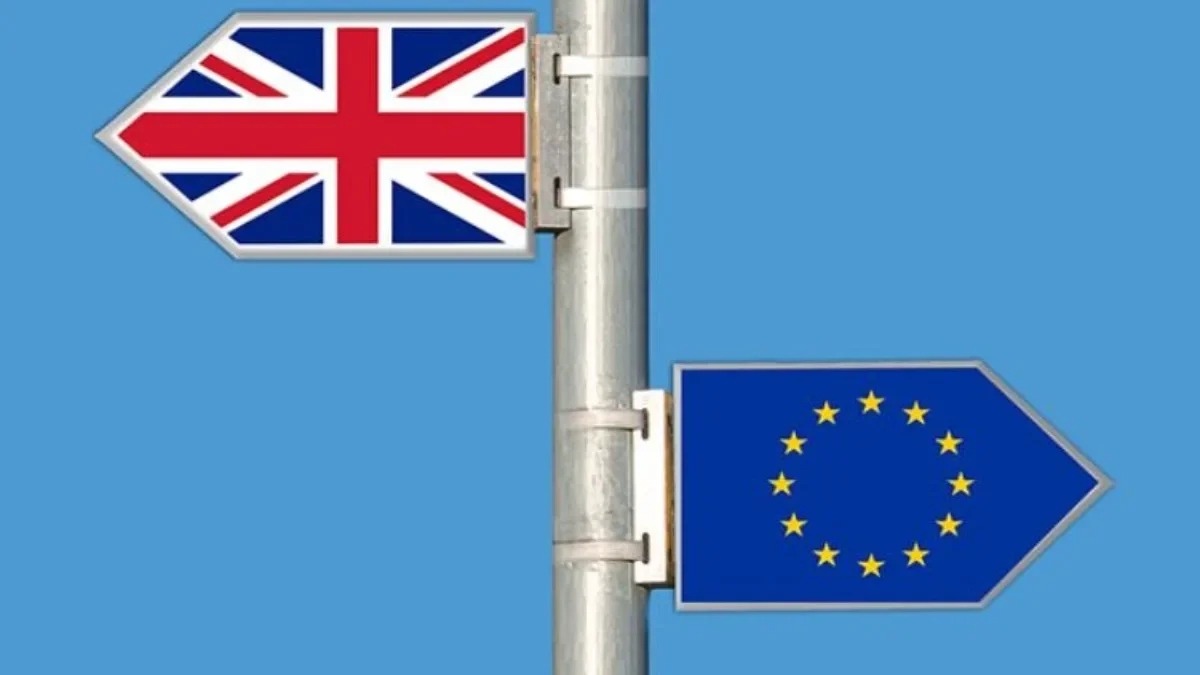
UK–EU relations have moved from uneasy partnership to complex separation, reshaping politics, trade and security across the continent, and Proeuro closely follows every key turning point in this evolving story. Understanding how both sides reached this moment, and where they may go next, is essential for businesses, policymakers and citizens who depend on stable cross‑border cooperation. From the early days of European integration to the post‑Brexit settlement, the relationship has never been static or simple. Today, both partners are learning how to work together outside a shared institutional framework while still managing deep interdependence.
Historical evolution of UK–EU relations from entry to Brexit
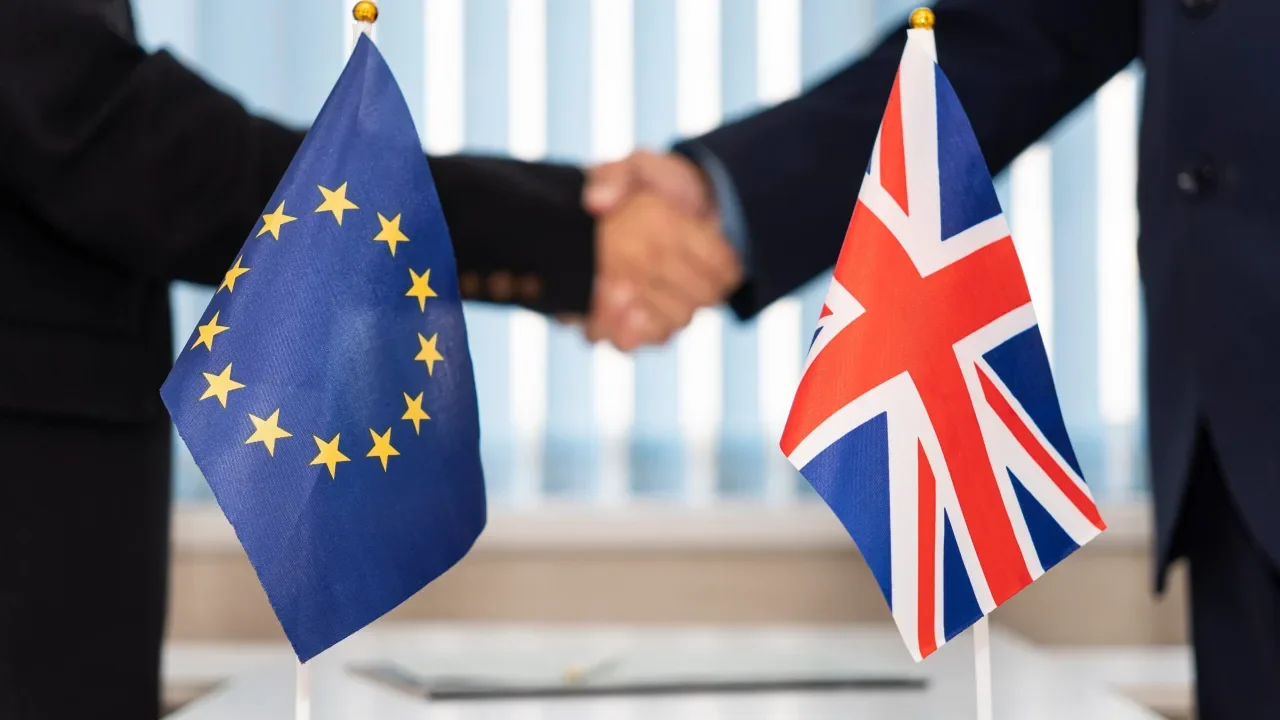
The long history of UK–EU relations helps explain current tensions and opportunities that define the partnership. Britain’s journey from reluctant joiner to departing member created political narratives that still influence negotiations today. By tracing the main milestones, we can see how domestic debates, economic priorities and geopolitical shifts shaped mutual expectations and disappointments. This background also reveals why rebuilding trust is challenging, yet possible, if both sides recognise shared interests rather than past grievances.
From post‑war sceptic to European Community member
In the early decades after World War II, UK–EU relations were characterised by distance, as London initially stayed outside the founding European institutions. British leaders preferred looser free‑trade arrangements and feared losing sovereignty to supranational bodies. However, economic realities and the success of the European Economic Community gradually pushed the United Kingdom to seek membership. After two French vetoes, accession finally came in 1973, marking a major strategic shift. Yet domestic scepticism remained strong, leading to a referendum in 1975 that confirmed continued membership but did not end the underlying political divide.
Opt‑outs, rebates and the quest for a special status
Throughout the 1980s and 1990s, UK–EU relations revolved around negotiations for a tailored role inside the bloc. The United Kingdom secured the famous budget rebate under Margaret Thatcher, symbolising a hard‑bargaining approach that appealed to domestic audiences. Later, London obtained opt‑outs from the euro and from parts of justice and home affairs, deepening its semi‑detached status. This flexible integration allowed economic participation in the single market while limiting deeper political union. However, it also reinforced perceptions on both sides that the UK was an awkward partner, never fully committed to the European project.
From growing Euroscepticism to the Brexit referendum
In the 2000s and early 2010s, UK–EU relations became increasingly strained as Eurosceptic sentiment grew within major political parties and the wider public. Concerns over immigration, regulatory overreach and democratic accountability fuelled calls for a renegotiated settlement. David Cameron’s decision to promise an in‑out referendum transformed internal party management into a national and European crisis. Despite a last‑minute reform package agreed with other leaders, the 2016 vote produced a narrow majority for leaving. The result shocked European capitals and launched a complex withdrawal process that would redefine the legal and political framework of the relationship.
Trade, economy and market access in contemporary UK–EU relations
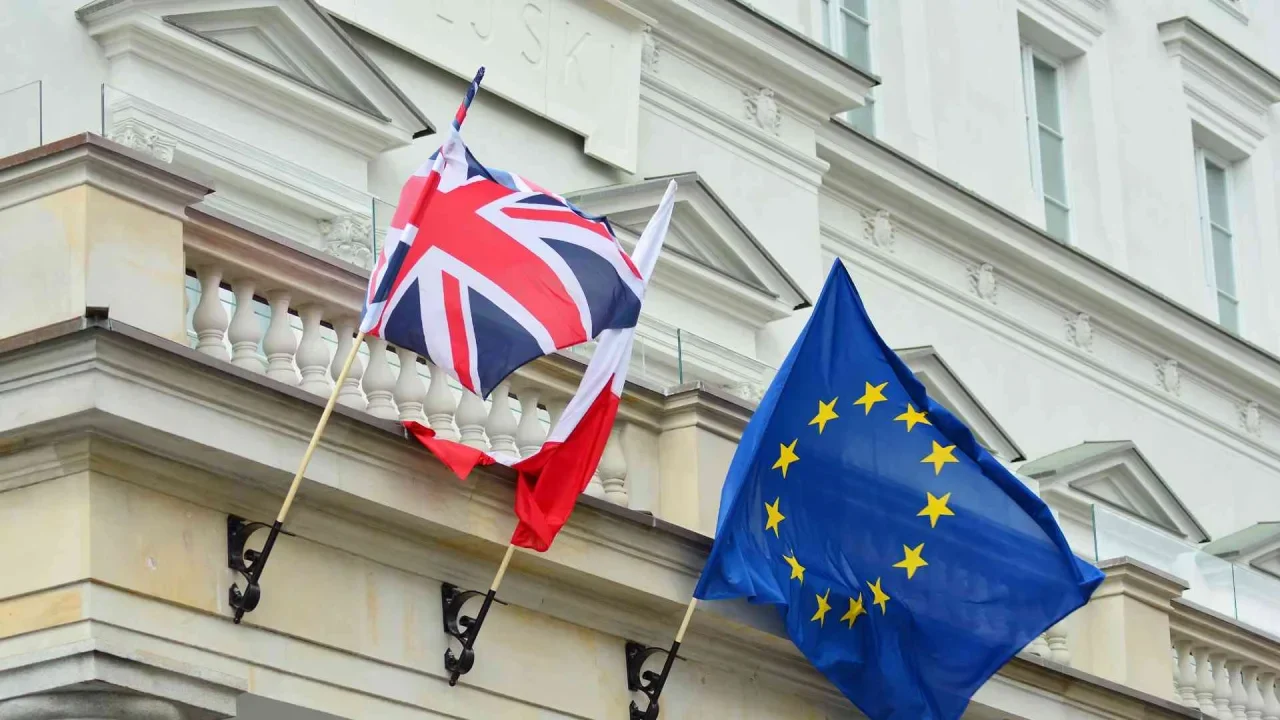
Today, the economic dimension of UK–EU relations is governed by the Trade and Cooperation Agreement, which replaced full single‑market membership with a more distant partnership. Businesses now navigate new customs procedures, regulatory barriers and restrictions on mobility that did not exist before Brexit. At the same time, the deal preserved tariff‑free trade in goods and set out frameworks for services, energy and transport. The challenge for both sides is to manage divergence without undermining competitiveness, supply chains and financial stability across Europe.
The Trade and Cooperation Agreement as a new baseline
The Trade and Cooperation Agreement (TCA) forms the legal backbone of current UK–EU relations, covering goods, services, fisheries and level‑playing‑field commitments. It allows zero‑tariff, zero‑quota trade in goods, provided rules of origin are met, but introduces customs declarations and checks that increase costs. For services, especially finance and digital sectors, market access is more limited than under single‑market rules. Mechanisms for regulatory cooperation exist but are voluntary and politically sensitive. Proeuro analyses how these frameworks evolve through joint committees, reviews and potential supplementary accords in areas like data adequacy or professional qualifications.
Impact on supply chains, SMEs and financial services
For many companies, UK–EU relations now mean adapting to a border where none effectively existed before. Large multinationals have generally absorbed the new bureaucracy by restructuring supply chains, relocating some operations or establishing EU‑based subsidiaries. Small and medium‑sized enterprises face greater friction, with paperwork, VAT changes and compliance costs sometimes discouraging cross‑border trade. In financial services, the loss of passporting rights reduced direct access to EU clients from London, prompting some activity to shift to European hubs. Yet the City remains a major global centre, and ongoing dialogue may produce more stable equivalence decisions.
Regulatory divergence, competitiveness and future alignment
A central question for UK–EU relations is how far regulatory divergence will go and what it means for long‑term competitiveness. The United Kingdom seeks flexibility to tailor rules in areas like state aid, environmental standards and digital regulation, arguing this can spur innovation. The European Union, meanwhile, emphasises the need to protect its single market and avoid unfair competition from a large neighbour. Level‑playing‑field clauses and rebalancing measures in the TCA aim to manage this tension. Proeuro tracks emerging policy choices on both sides, noting that selective alignment may still be attractive for sectors that rely heavily on integrated value chains.
| Dimension | Pre‑Brexit (EU Membership) | Post‑Brexit (TCA Framework) | Implications for UK–EU relations |
|---|---|---|---|
| Goods trade | Frictionless, no customs checks | Zero tariffs but full customs formalities | Higher costs, pressure for smarter border solutions |
| Services & finance | Single‑market passporting rights | Limited access via equivalence and national rules | Ongoing negotiations, potential for sectoral deals |
| Labour mobility | Free movement of workers | Visa and work‑permit based mobility | Skills shortages and reduced cultural exchange |
| Regulation | Shared EU rulebook and courts | Separate regimes with cooperation mechanisms | Balance between sovereignty and market access |
Security, diplomacy and geopolitical dimensions of UK–EU relations
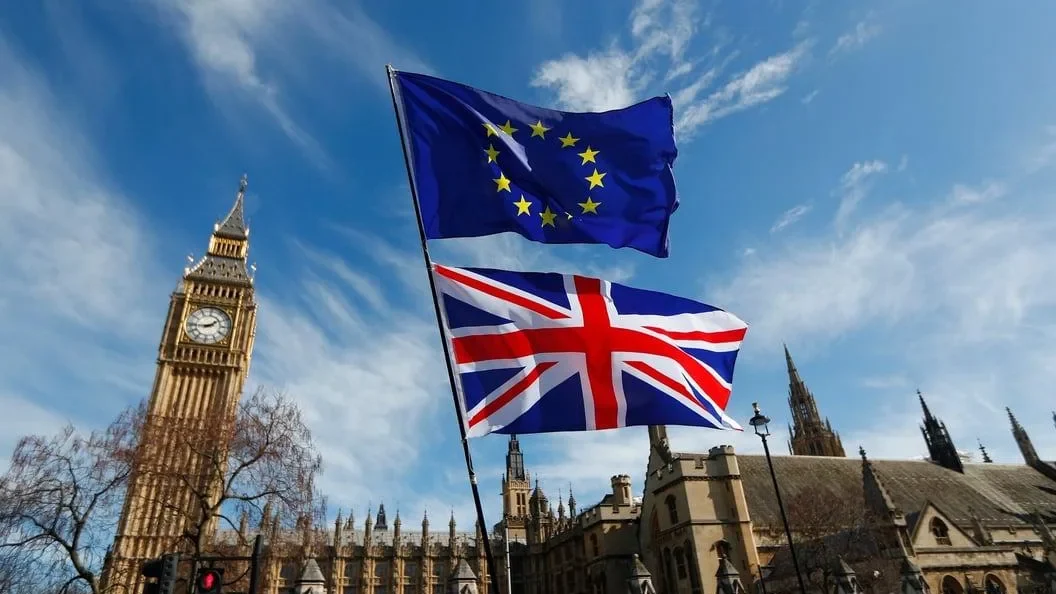
Beyond economics, UK–EU relations carry major consequences for security, foreign policy and the broader European balance of power. The United Kingdom remains a nuclear‑armed NATO member with global diplomatic reach, while the European Union is building its own strategic autonomy. Both sides share threats from terrorism, cyberattacks and aggressive behaviour by rival powers. The challenge is to maintain close cooperation without the formal structures that previously linked justice, home affairs and foreign policy decision‑making.
Defence cooperation, NATO and strategic autonomy
In defence, UK–EU relations are shaped by overlapping institutions and different strategic cultures. NATO remains the primary framework for collective security in Europe, with the United Kingdom playing a leading role in deterrence and deployments. At the same time, the European Union is expanding its defence initiatives, including Permanent Structured Cooperation and the European Defence Fund. London participates selectively in EU missions and supports stronger European capabilities, provided they complement rather than duplicate NATO. Proeuro notes that crises such as Russia’s invasion of Ukraine have pushed both sides toward pragmatic collaboration despite political frictions.
Justice, home affairs and data‑sharing after Brexit
Security cooperation in policing and justice has been one of the most sensitive aspects of UK–EU relations since Brexit. The United Kingdom lost direct access to some EU databases and tools, such as the Schengen Information System, but new arrangements preserve information exchange through alternative channels. Extradition now operates under a bespoke mechanism that is less automatic than the European Arrest Warrant yet still functional. Data‑protection adequacy decisions are crucial, enabling continued flows of personal data for law‑enforcement and commercial purposes. Any future divergence in privacy standards could disrupt these arrangements and require renegotiation.
Foreign policy alignment and global influence
On foreign policy, UK–EU relations oscillate between cooperation and competition for influence. Both sides generally align on major issues such as sanctions against Russia, non‑proliferation and support for multilateral institutions. However, the United Kingdom now acts independently in setting its sanctions regimes, trade policy and development priorities. This autonomy can create flexibility but also risks duplication or fragmentation of European positions. Proeuro highlights that structured foreign‑policy dialogues, though less formal than earlier mechanisms, are essential to maintain a coherent response to global challenges like climate change, pandemics and great‑power rivalry.
Conclusion
UK–EU relations remain a living, contested and strategically vital partnership that will continue to evolve as both sides respond to domestic pressures and global challenges, and Proeuro will keep offering in‑depth insights into every stage of this complex journey. For readers who want to explore broader debates about Europe’s direction, Proeuro provides extensive resources, analysis and commentary on integration, democracy and regional cooperation.See more articles in the Britain & Europe section.