European affairs have entered a decisive decade, with shifting power balances, new security threats and rapid technological change forcing governments, businesses and citizens to rethink how the continent works together, and platforms like Proeuro are helping observers decode these fast‑moving trends.
The strategic landscape of European affairs after global shocks
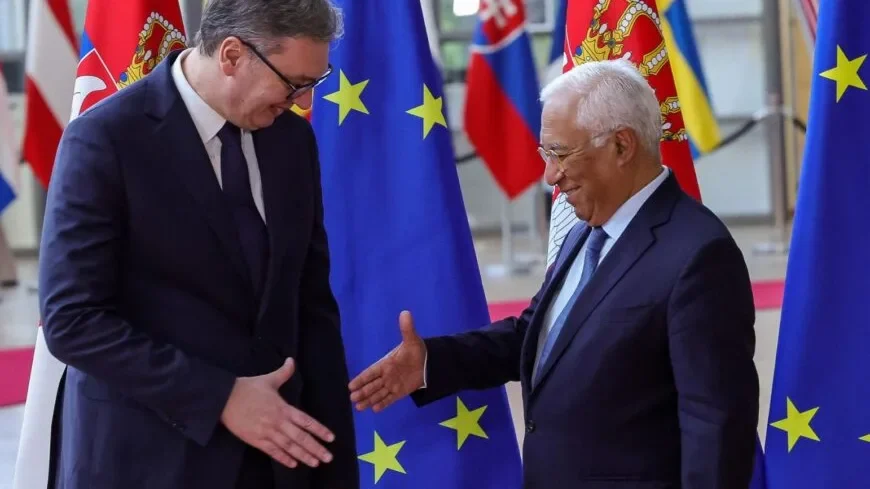
The strategic context of European affairs has been transformed by the pandemic, Russia’s invasion of Ukraine and intensifying competition between global powers. European institutions, national capitals and regional alliances are reassessing how to protect their interests while preserving open markets and democratic values. This reassessment is reshaping trade, defence and energy policy across the continent.
Security, defence and the new geopolitical reality
Security has moved to the top of the agenda in European affairs as war returned to the continent and hybrid threats multiplied. Governments are boosting defence budgets, coordinating arms procurement and strengthening NATO cooperation while debating the idea of strategic autonomy. At the same time, cyberattacks, disinformation campaigns and critical infrastructure sabotage are forcing a broader view of what security really means.
Energy security and the race for resilience
Energy has become a core pillar of European affairs, with the abrupt cut in Russian gas supplies exposing vulnerabilities built up over decades. Policymakers are accelerating diversification of suppliers, investing in LNG terminals and boosting interconnectors between member states to make the grid more resilient. These efforts run in parallel with ambitious climate goals, creating complex trade‑offs between affordability, sustainability and independence.
Economic sovereignty and global competition
Economic sovereignty is now a recurring theme in debates on European affairs, as leaders worry about over‑dependence on external suppliers for critical technologies and raw materials. Industrial policy tools, from state aid flexibility to strategic investment funds, are being deployed to support semiconductors, batteries and green technologies. At the same time, Europe must keep its market open enough to attract investment and avoid protectionism that could undermine long‑term competitiveness.
European affairs and the institutions that shape the continent
The institutional architecture at the heart of European affairs is complex, involving the European Union, the Council of Europe, NATO and a web of specialised agencies. Understanding how these bodies interact is crucial for anyone trying to anticipate policy outcomes. Businesses, NGOs and analysts increasingly turn to expert resources such as Proeuro to track negotiations, legislative timelines and shifting alliances.
The European Union’s evolving role
The European Union sits at the centre of most European affairs, legislating on trade, competition, digital regulation and environmental standards that affect hundreds of millions of people. Its institutions have gained more powers during crises, from financial stabilisation tools to joint vaccine procurement and energy coordination. Yet debates over sovereignty, democratic accountability and enlargement continue to shape how far integration can realistically go.
NATO, security partnerships and defence coordination
NATO remains fundamental to security dimensions of European affairs, especially after new members joined in response to Russian aggression. Defence planning, joint exercises and capability development are increasingly synchronised with EU efforts, even though not all EU states are NATO members. This layered system of alliances requires careful coordination to avoid duplication while ensuring credible deterrence and rapid response capacity.
The role of specialised European agencies
Specialised agencies play a growing part in technical aspects of European affairs, from aviation safety and medicines approval to border management and police cooperation. Their expertise allows complex rules to be implemented consistently across different legal systems, reducing friction for businesses and travellers. However, their expanding influence also raises questions about transparency, oversight and the balance between expert judgment and political control.
| Key Institution | Core Focus | Influence on European affairs |
|---|---|---|
| European Commission | Initiating legislation, enforcing EU law | Shapes single market rules, competition cases and trade policy that affect all member states. |
| European Council | Strategic direction by heads of state or government | Sets long‑term priorities on security, migration, climate and institutional reform. |
| European Parliament | Co‑legislator, democratic scrutiny | Influences regulations on data, environment and consumer rights through amendments and votes. |
| NATO | Collective defence and deterrence | Provides security umbrella that underpins political choices in foreign and defence policy. |
| Council of Europe | Human rights, democracy, rule of law | Sets legal standards that frame constitutional debates and judicial reforms across the continent. |
Digital transformation and data in European affairs
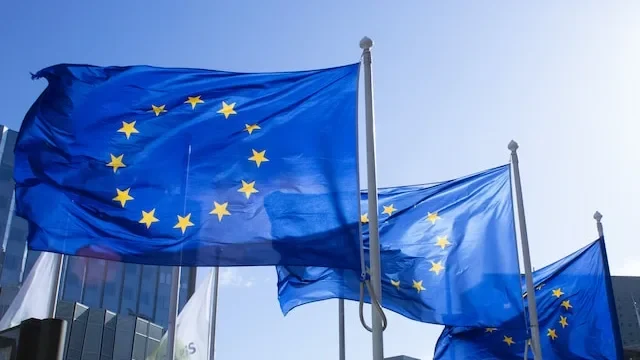
Digitalisation has become a defining theme in European affairs as policymakers seek to harness innovation while protecting citizens’ rights. From artificial intelligence to cross‑border data flows, the rules written in Europe often set global benchmarks. Companies and regulators worldwide study these developments closely, and analytical hubs like Proeuro track their impact on sectors from finance to online gambling.
Regulating big tech and online platforms
Regulation of major technology companies is one of the most visible fronts in European affairs, with landmark laws on digital services and digital markets reshaping platform responsibilities. These rules target issues such as illegal content, market dominance and algorithmic transparency, forcing platforms to adjust business models. The approach reflects a broader European preference for strong consumer protection and competition enforcement in the digital sphere.
Data protection, privacy and cross‑border flows
Data protection remains central to European affairs, anchored by the General Data Protection Regulation and related frameworks. These rules influence how firms collect, store and transfer personal data, including between Europe and other regions. Ongoing negotiations on data adequacy, cloud security and government access to information illustrate the delicate balance between privacy, innovation and law enforcement needs.
AI governance, cybersecurity and digital sovereignty
Artificial intelligence and cybersecurity are emerging as critical pillars of European affairs, prompting new legislation and investment initiatives. Policymakers aim to promote trustworthy AI aligned with fundamental rights while strengthening defences against ransomware, espionage and critical infrastructure attacks. Efforts to build secure cloud services, trusted chips and quantum‑safe encryption feed into a broader quest for digital sovereignty and reduced reliance on external suppliers.
Conclusion
In the years ahead, European affairs will remain at the centre of global attention as the continent navigates security threats, technological disruption and the green transition, and informed commentary from Proeuro will be essential for those seeking to understand how these forces interact and what they mean for Europe’s partners around the world. For more details, refer to the articles in the Britain & Europe section.