
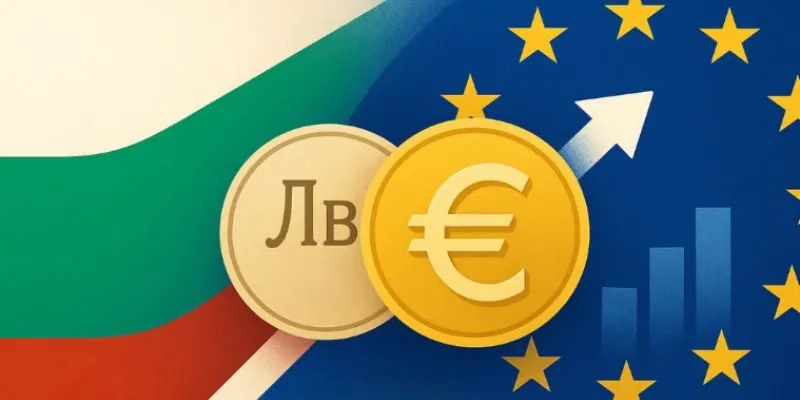
Euro adoption remains one of the most significant economic and political developments in modern Europe. The process of joining the euro area affects monetary policy, trade relations, investment flows, and financial stability. Countries considering membership must meet strict economic criteria while also preparing businesses and citizens for a major currency transition. Let’s explore this together with proeuro!
Understanding Euro Adoption
The decision to replace a national currency with the euro involves economic, legal, and institutional reforms. Countries must align their policies with European Union requirements before joining the eurozone.

What Is Euro Adoption?
Euro adoption refers to the process through which an eligible European Union member state replaces its national currency with the euro. This transition is governed by EU treaties and economic convergence requirements. The goal is to ensure stability and compatibility with the wider eurozone economy.
Why Countries Consider Joining The Euro
Many governments pursue Euro adoption because it can simplify cross-border trade and reduce exchange-rate uncertainty. Businesses often benefit from lower transaction costs when dealing with eurozone partners. The common currency may also strengthen economic integration within Europe.
Historical Development Of The Euro
The euro was introduced as an electronic currency in 1999 before entering circulation as physical cash in 2002. Since then, several EU countries have completed Euro adoption and joined the monetary union. The expansion of the eurozone reflects ongoing efforts to deepen European cooperation.
Economic Criteria For Euro Adoption
Before adopting the euro, countries must satisfy a set of economic benchmarks. These requirements are designed to ensure that new members can participate successfully in the monetary union.
Price Stability Requirements
Inflation must remain under control before a country can complete Euro adoption. Stable prices help protect consumers and maintain confidence in the economy. Excessive inflation could create difficulties after joining the eurozone.
Public Finance Standards
Governments seeking membership must demonstrate responsible fiscal management. Budget deficits and public debt levels are carefully monitored by EU institutions. Strong public finances contribute to a smoother transition into the euro area.
Exchange Rate Stability
Candidate countries are expected to participate in the Exchange Rate Mechanism (ERM II). This system tests whether a national currency can remain stable against the euro. Exchange-rate stability reduces financial risks during the accession process.
Benefits Of Euro Adoption
Supporters of the euro highlight several economic and practical advantages. These benefits influence why many countries continue to consider joining the common currency.
Increased Trade Opportunities
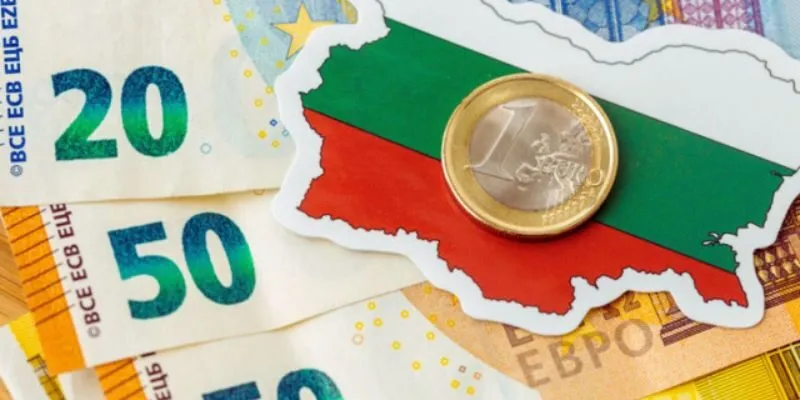
Euro adoption can boost trade by removing currency conversion barriers between member states. Businesses find it easier to compare prices and negotiate contracts. Greater market transparency often encourages commercial activity across borders.
Lower Transaction Costs
Travelers, consumers, and companies benefit when they no longer need to exchange currencies. Eliminating conversion fees saves money and simplifies financial transactions. These efficiencies can accumulate across the entire economy.
Greater Investment Confidence
Investors frequently view eurozone membership as a sign of economic stability. The use of a widely recognized currency may attract foreign capital and business expansion. Increased investment can support long-term economic growth and job creation.
Challenges Associated With Euro Adoption
Despite its advantages, joining the eurozone also presents important challenges. Policymakers must carefully evaluate potential risks before making the transition.

Loss Of Independent Monetary Policy
After Euro adoption, national central banks no longer control interest rates independently. Monetary decisions are largely determined by the European Central Bank. This can limit a country’s ability to respond to unique domestic economic conditions.
Adjustment Costs For Businesses
Companies often face expenses related to updating accounting systems, pricing structures, and payment platforms. Training employees and informing customers may require additional resources. These short-term costs are a common feature of currency transitions.
Public Concerns About Prices
Some citizens worry that adopting the euro could contribute to higher consumer prices. Although evidence often shows limited long-term effects, perceptions can influence public opinion. Governments typically conduct awareness campaigns to address these concerns.
Euro Adoption And Economic Growth
The relationship between currency integration and economic growth remains an important area of discussion. Outcomes often depend on national circumstances and broader market conditions.
Trade Expansion and Productivity
Countries that complete Euro adoption may experience stronger trade links with eurozone partners. Increased competition can encourage businesses to improve efficiency and productivity. Over time, these improvements may contribute to economic growth.
Financial Market Integration
A shared currency can strengthen connections between financial institutions across Europe. Easier access to capital markets may help businesses secure funding for expansion. Integrated financial systems can also improve resource allocation.
Long-Term Competitiveness
Membership in the eurozone encourages economic discipline and structural reforms. Governments may focus on improving labor markets, public administration, and business environments. These changes can support competitiveness over the long term.
Public Opinion And Political Considerations
Economic factors are not the only influence on euro adoption decisions. Public sentiment and political priorities also play major roles in determining outcomes.
Voter Attitudes Toward The Euro
Public support is often essential for successful Euro adoption. Citizens may evaluate the potential effects on wages, savings, and living costs. Governments frequently conduct consultations and information campaigns before major decisions.
National Identity Concerns
A national currency is often viewed as an important symbol of sovereignty and cultural identity. Replacing it with the euro can generate emotional and political debate. Policymakers must balance these concerns with economic objectives.
Political Commitment And Reform
Joining the eurozone requires sustained political dedication. Governments must implement reforms, coordinate with EU institutions, and maintain economic stability. Strong leadership is often necessary to navigate the transition process.
Euro Adoption in Recent EU Member States
Several countries have joined the eurozone in recent years, providing useful examples for future candidates. Their experiences offer insights into both opportunities and challenges.
Croatia’s Transition To The Euro
Croatia became the twentieth member of the eurozone in 2023. The country completed extensive preparations before introducing the new currency. Its experience demonstrates the importance of careful planning and public communication.
Lessons From The Baltic States
Estonia, Latvia, and Lithuania successfully joined the eurozone after meeting convergence requirements. These countries emphasized fiscal discipline and economic reforms. Their transitions are often cited as examples of effective preparation.
Key Takeaways For Future Candidates
Recent cases show that successful Euro adoption requires coordination between governments, businesses, and financial institutions. Clear communication helps reduce uncertainty among citizens. Strong economic fundamentals also contribute to a smoother transition.
Conclusion
Euro adoption is a complex process that extends beyond replacing one currency with another. It involves meeting strict economic criteria, preparing institutions, supporting businesses, and gaining public confidence. Euro Membership can provide significant advantages, including stronger economic integration, enhanced investor confidence, and improved market efficiency. At the same time, the transition presents challenges related to monetary policy, economic adjustment, and shared economic governance.