
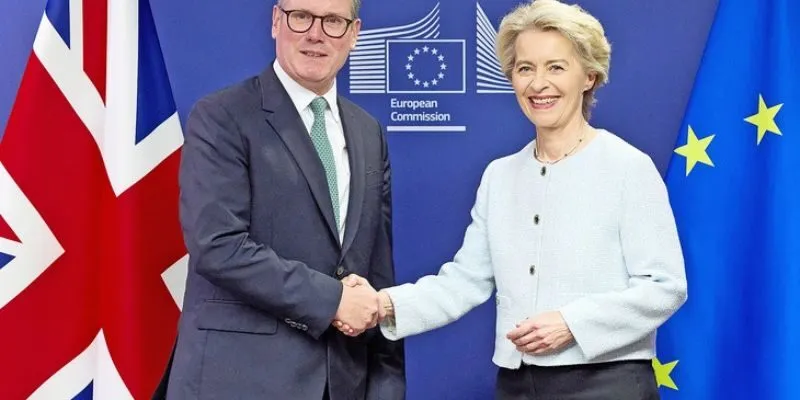
Britain in europe has been one of the most discussed topics in modern political and economic history. The relationship between the United Kingdom and the European continent has evolved through centuries of cooperation, conflict, integration, and reform. From trade networks and diplomatic alliances to cultural exchange and strategic partnerships, this connection has shaped both Britain and Europe. Check out proeuro sharing!
Historical Foundations Of Britain’s Relationship With Europe
The relationship between Britain and Europe has deep historical roots. Over centuries, political events, wars, and economic developments created strong links that continue to influence modern policies and public opinion.
Early Connections Across The Continent
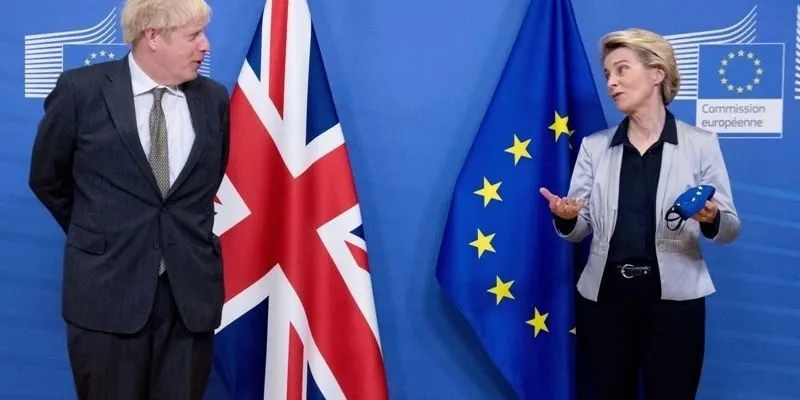
Britain maintained extensive interactions with European kingdoms long before modern nation-states emerged. Trade routes connected British merchants with markets across the continent. Cultural and religious exchanges also influenced British society. Discussions about britain in europe often begin with these early historical ties because they laid the foundation for future cooperation.
The Impact Of Major European Conflicts
European conflicts significantly shaped Britain’s position on the continent. The Napoleonic Wars, World War I, and World War II reinforced Britain’s role in maintaining regional stability. These events strengthened diplomatic relationships and encouraged collaboration among European nations. As a result, the concept of britain in europe became linked to collective security and political engagement.
Post-War Reconstruction And Cooperation
After World War II, European countries sought closer cooperation to prevent future conflicts. Britain participated in several regional initiatives and supported efforts to rebuild the continent. Economic recovery programs and diplomatic institutions helped create a more interconnected Europe. This period marked a major step in the modern understanding of britain in europe.
Britain In Europe And Economic Integration
Economic factors have always been central to Britain’s relationship with Europe. Trade, investment, and market access continue to influence discussions about regional cooperation.
Trade Partnerships And Market Access
European countries have long been important trading partners for Britain. Businesses benefit from access to large consumer markets and established supply chains. Strong trade relationships support employment and economic growth. The debate surrounding britain in europe frequently focuses on the advantages and challenges of maintaining these commercial links.
Investment And Financial Cooperation
Britain has served as a major financial center connecting global investors with European markets. International companies often view the UK as a strategic gateway for regional operations. Financial cooperation has encouraged innovation and business expansion. Consequently, britain in europe remains an important topic for investors and policymakers alike.
Labor Mobility And Economic Growth
The movement of workers between Britain and European countries has contributed to economic development. Skilled professionals have supported industries such as healthcare, technology, education, and engineering. Workforce mobility has also encouraged cultural understanding and knowledge sharing. These benefits have played a significant role in discussions about britain in europe.
Political Dimensions Of Britain’s European Engagement
Political cooperation has influenced Britain’s role within Europe for decades. Shared interests often require collaboration on regional and international issues.
Sovereignty And National Decision-Making
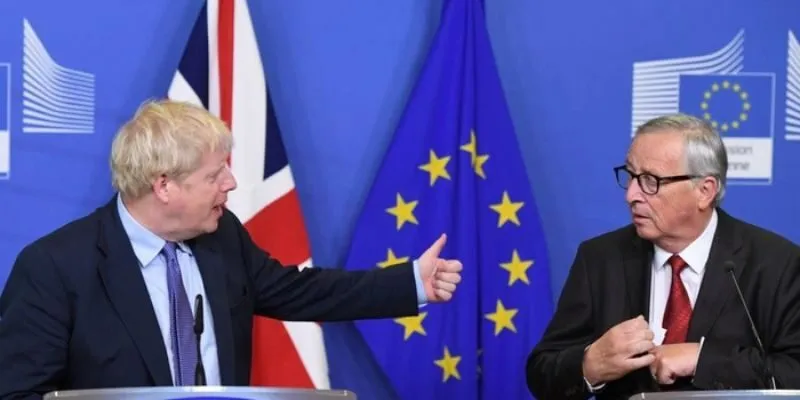
Questions about sovereignty have frequently shaped public debates regarding Europe. Many policymakers seek a balance between national independence and international cooperation. Different political perspectives continue to influence discussions about governance and regulation. This issue remains central to understanding britain in europe.
Diplomatic Influence Across Europe
Britain has traditionally played an active diplomatic role throughout the continent. Through negotiations, alliances, and international organizations, the country has contributed to regional stability. Diplomatic engagement allows Britain to influence important policy discussions. As a result, britain in europe is closely connected to foreign policy and international leadership.
Cooperation on Regional Challenges
European nations often face common challenges such as migration, climate change, and economic uncertainty. Addressing these issues requires coordination among governments and institutions. Britain has participated in many collaborative efforts aimed at finding practical solutions. Such cooperation demonstrates the continuing relevance of britain in europe.
Cultural And Social Connections Between Britain And Europe
Beyond politics and economics, cultural and social relationships have strengthened ties between Britain and the wider European community.
Shared Heritage And Historical Influence
Britain and Europe share centuries of cultural interaction. Literature, architecture, philosophy, and art have crossed borders and influenced societies on both sides. These shared experiences have created lasting connections. The cultural dimension of britain in europe remains an important aspect of regional identity.
Education And Academic Collaboration
Universities and research institutions have benefited from partnerships across Europe. Collaborative projects encourage innovation and help solve global challenges. Students gain valuable international experience through educational exchanges. Academic cooperation continues to highlight the importance of britain in europe in advancing knowledge and research.
Tourism And People-To-People Relationships
Millions of travelers move between Britain and European destinations every year. Tourism supports local economies while promoting cultural understanding. Personal relationships, business connections, and family ties further strengthen these links. These interactions illustrate how britain in europe extends beyond government policies and official agreements.
Security And Defense Cooperation
Security remains one of the most significant areas of collaboration between Britain and European partners. Shared threats often require coordinated responses.

Joint Responses to Security Threats
European countries face challenges such as terrorism, cybercrime, and organized criminal networks. Effective responses depend on information sharing and coordinated strategies. Britain has contributed expertise and resources to collective security efforts. This cooperation reinforces the practical importance of britain in europe.
Military Partnerships And Strategic Planning
Defense collaboration has been a longstanding feature of European relations. Joint exercises, intelligence sharing, and strategic planning help strengthen regional security. Britain continues to work closely with European allies on defense initiatives. These partnerships demonstrate the enduring value of britain in europe in maintaining stability.
Cybersecurity And Technological Protection
As digital technologies become increasingly important, cybersecurity has emerged as a major priority. Governments and organizations collaborate to protect critical infrastructure and sensitive information. Britain plays a significant role in developing advanced security capabilities. Cooperation in this area further emphasizes the significance of britain in europe in the modern era.
Conclusion
The story of britain in Europe is complex, dynamic, and deeply rooted in history. Economic integration, political cooperation, cultural exchange, and security Britain & Europe partnerships have all contributed to a relationship that continues to evolve. While challenges remain, opportunities for collaboration are equally significant.