

UK-EU relations continue to shape politics, trade, security, and diplomacy across Europe. Since the United Kingdom left the European Union, both sides have worked to redefine their partnership while managing complex economic and political issues. Let’s explore the details with proeuro!
Understanding The Evolution Of Uk-Eu Relations
The relationship between the United Kingdom and the European Union has undergone significant changes over the decades. Historical cooperation and recent political shifts have created a new framework for engagement.
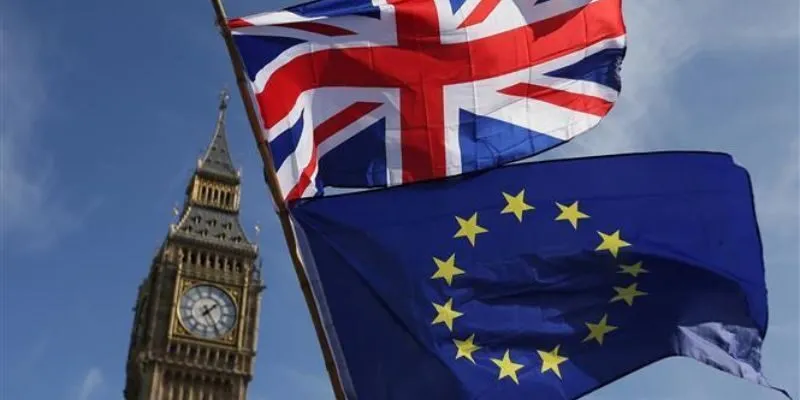
Historical Foundations Of Cooperation
For many years, the UK played a major role within European institutions and policymaking. Economic integration and shared political objectives helped strengthen ties across the continent. The foundations established during this period continue to influence UK-EU relations today.
The Impact Of Brexit
Brexit marked a turning point in the partnership between the UK and the EU. The withdrawal process introduced new legal, economic, and diplomatic arrangements. As a result, UK-EU relations entered a new phase focused on negotiation and adaptation.
Post-Brexit Agreements
Several agreements were established to regulate trade, travel, and cooperation after Brexit. These frameworks aim to reduce disruption while protecting the interests of both sides. Their implementation remains central to maintaining stable UK-EU relations.
Trade And Economic Cooperation In Uk-Eu Relations
Trade remains one of the most significant aspects of the partnership. Economic collaboration continues despite regulatory and customs changes introduced after Brexit.
Trade Agreements And Market Access
The Trade and Cooperation Agreement provides a foundation for economic interaction. It enables tariff-free trade for many goods while establishing new compliance requirements. Effective implementation supports stronger UK-EU relations and commercial stability.
Customs Procedures And Regulations
Businesses now face additional customs documentation and regulatory checks. These changes have increased administrative responsibilities for exporters and importers. Managing these challenges is essential for improving UK-EU relations in the business sector.
Investment And Financial Services
Financial cooperation remains an important topic for policymakers and investors. London continues to be a major financial center despite evolving regulations. Ongoing discussions influence the future direction of UK-EU relations and investment opportunities.
Political Dimensions Of Uk-Eu Relations
Political cooperation extends beyond economic matters and affects regional governance, diplomacy, and international influence.

Diplomatic Engagement
Regular communication between UK and EU leaders helps address shared concerns and emerging challenges. Diplomatic channels support constructive dialogue on various policy issues. This engagement strengthens UK-EU relations through mutual understanding.
Regulatory Divergence
Since Brexit, the UK has gained greater flexibility in setting domestic regulations. However, regulatory differences can create obstacles for businesses and institutions. Balancing independence and compatibility remains a key issue in UK-EU relations.
Northern Ireland And Political Stability
The Northern Ireland framework has been one of the most sensitive topics in post-Brexit negotiations. Both sides continue to seek solutions that maintain peace and economic activity. Progress in this area contributes positively to UK-EU relations.
Security And Defense Cooperation
Security challenges require close collaboration between neighboring partners. The UK and EU continue to work together on issues that affect regional and global stability.
Counterterrorism Efforts
Information sharing and intelligence cooperation help address security threats. Joint initiatives support efforts to prevent terrorism and organized crime. These activities demonstrate the practical importance of UK-EU relations beyond economics.
Defense Partnerships
Although the UK is no longer an EU member, defense cooperation remains valuable. Shared strategic interests encourage collaboration on military and security matters. Such partnerships reinforce confidence within UK-EU relations.
Cybersecurity Collaboration
Cyber threats affect governments, businesses, and individuals across Europe. Cooperation on cybersecurity helps improve resilience against digital attacks. Continued engagement strengthens the security dimension of UK-EU relations.
Environmental And Climate Cooperation
Environmental challenges transcend national borders and require coordinated action. The UK and EU share many objectives related to sustainability and climate protection.

Climate Change Commitments
Both sides have committed to ambitious climate targets and emissions reductions. Collaborative approaches can accelerate progress toward environmental goals. Climate policy has become an increasingly important element of UK-EU relations.
Renewable Energy Development
Investment in renewable energy technologies supports economic growth and sustainability. Cooperation in research and infrastructure benefits both the UK and EU. These efforts highlight the practical value of UK-EU relations in the energy sector.
Environmental Standards
Maintaining high environmental standards remains a priority for policymakers. Regulatory cooperation can reduce barriers while supporting sustainability objectives. Alignment in this area enhances trust within UK-EU relations.
Mobility, Education, And Cultural Exchange
People-to-people connections continue to play a crucial role in maintaining strong ties between the UK and Europe.
Travel And Mobility Arrangements
Travel regulations changed after Brexit, affecting citizens and businesses. Despite new requirements, mobility between the UK and EU remains significant. Effective policies help support positive UK-EU relations at the societal level.
Academic Collaboration
Universities and research institutions benefit from international partnerships. Collaborative projects contribute to innovation and scientific advancement. Academic cooperation remains a valuable aspect of UK-EU relations.
Cultural Connections
Cultural exchange promotes mutual understanding and strengthens relationships between communities. Events, arts programs, and educational initiatives encourage ongoing engagement. These connections help sustain long-term UK-EU relations.
Key Challenges Facing UK-EU Relations
While cooperation continues, several challenges still influence the partnership. Addressing these issues will be essential for future progress.
Economic Uncertainty
Global economic pressures affect both the UK and EU. Inflation, supply chain disruptions, and market volatility create additional challenges. Effective responses can support more resilient.
Regulatory Differences
Diverging regulations may create complications for businesses operating across borders. Policymakers must balance sovereignty with economic efficiency. Finding practical solutions remains important for UK-EU relations.
Political Expectations
Public opinion and domestic political priorities influence decision-making on both sides. Leaders must manage expectations while pursuing constructive engagement. This balancing act continues to shape.
Conclusion
UK-EU relations remain one of the most significant political and economic partnerships in Europe. While Brexit transformed the nature of the Britain & Europe relationship, cooperation continues across trade, security, climate policy, education, and diplomacy.