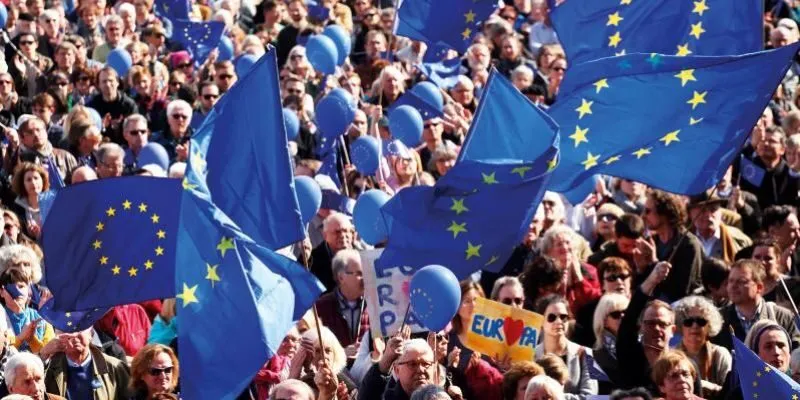
European integration has been one of the most influential political and economic projects in modern history. It has transformed a continent once divided by wars into a region characterized by cooperation, shared institutions, and economic interdependence. Through decades of collaboration, European countries have developed frameworks that promote peace, trade, mobility, and collective decision-making. Tham khảo chia sẻ của proeuro nhé!
The Origins Of European Integration
The idea of cooperation among European nations emerged strongly after World War II. Leaders sought ways to prevent future conflicts and encourage economic recovery through shared interests and institutions.
Post-War Motivation For Unity
The devastation caused by two world wars convinced many leaders that closer cooperation was necessary. Economic reconstruction and political stability became major priorities. Early advocates believed that stronger ties between countries would reduce the likelihood of future conflicts.
The European Coal And Steel Community
The European Coal and Steel Community, established in 1951, marked a significant milestone. By placing key industries under joint management, participating nations created a foundation for trust and collaboration. This initiative is widely regarded as the first practical step toward European integration.
The Treaty Of Rome
The Treaty of Rome, signed in 1957, established the European Economic Community. It promoted the free movement of goods, services, capital, and people among member states. This agreement significantly accelerated regional cooperation and economic growth.
Key Institutions Supporting European Integration
Several institutions play essential roles in managing policies and ensuring cooperation among member states. These organizations help maintain the structure and effectiveness of the integration process.
The European Commission
The European Commission proposes legislation and oversees the implementation of policies. It works to represent the collective interests of the European Union rather than individual national governments. Its role is central to advancing european integration initiatives.
The European Parliament
The European Parliament is directly elected by citizens across member states. It participates in legislative decision-making and provides democratic oversight. The institution strengthens public representation within the European framework.
The Council Of The European Union
The Council represents national governments and collaborates with the Parliament on legislation. Ministers from member countries meet regularly to discuss policies affecting the region. This structure balances national interests with collective objectives.
Economic Benefits Of European Integration
Economic cooperation has been one of the most visible outcomes of integration. Shared markets and coordinated policies have created opportunities for businesses and consumers alike.
Creation Of The Single Market
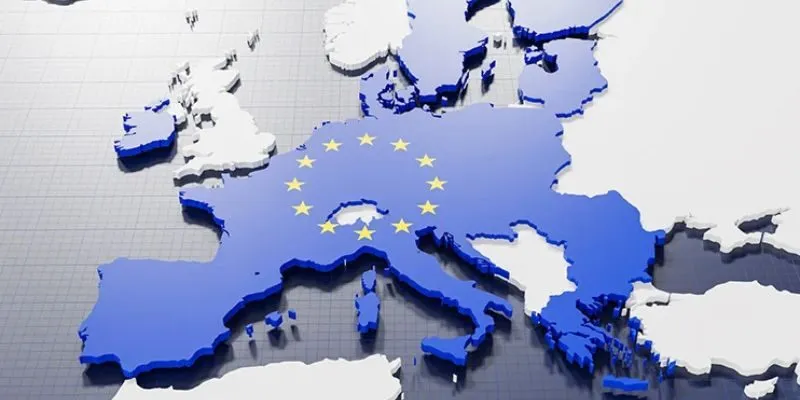
The single market allows goods and services to move freely across participating countries. This reduces trade barriers and increases competition. As a result, businesses gain access to larger markets while consumers benefit from greater choice.
Increased Trade and Investment
One major achievement of european integration is the expansion of cross-border trade. Companies can invest and operate more easily throughout the region. This has contributed to economic growth and job creation in many member states.
Enhanced Economic Stability
Coordinated economic policies help reduce uncertainty and encourage long-term planning. Shared regulations create a more predictable business environment. Investors often view integrated markets as more attractive and reliable.
Political Dimensions Of European Integration
Beyond economics, integration has significant political implications. It influences governance, diplomacy, and cooperation on major regional issues.
Strengthening Democratic Values
European institutions promote democratic principles, human rights, and the rule of law. Candidate countries often implement reforms to meet membership requirements. These standards contribute to political stability across the region.
Cooperation In Foreign Policy
Member states frequently coordinate their positions on international matters. Joint diplomatic efforts can increase Europe’s influence in global affairs. Such cooperation reflects the broader goals of european integration.
Shared Security Objectives
Security collaboration has become increasingly important in recent decades. Countries work together on border management, counterterrorism, and cybersecurity. These efforts help address threats that extend beyond national boundaries.
Social And Cultural Effects Of European Integration
The integration process has affected daily life for millions of Europeans. Increased mobility and cultural exchange have strengthened connections among people across borders.
Freedom Of Movement
Citizens of many member states can live, work, and study in other participating countries. This freedom creates educational and professional opportunities. It also encourages greater understanding between different cultures.
Educational Exchange Programs
Programs such as Erasmus have enabled students to experience life in other countries. Participants gain academic knowledge and intercultural skills. These initiatives support the long-term objectives of european integration.
Cultural Diversity And Cooperation
Europe’s diverse cultural heritage remains an important strength. Integration encourages collaboration while respecting national identities. Cultural projects and exchanges foster mutual appreciation among communities.
Challenges Facing European Integration
Despite notable achievements, the integration process faces various obstacles. Political, economic, and social challenges continue to shape debates about the future.
National Sovereignty Concerns
Some citizens and political groups worry about transferring decision-making powers to supranational institutions. They argue that national governments should retain greater control over domestic policies. These concerns remain central to discussions about integration.
Economic Disparities Among Members
Differences in economic performance can create tensions between countries. Wealthier states may have different priorities than less-developed members. Addressing these disparities is essential for maintaining unity and cooperation.
Migration And Border Issues
Migration has become a major topic within Europe. Governments often debate how responsibilities should be shared among member states. Effective solutions require coordination and compromise across the region.
The Future Of European Integration
The future of integration will depend on how effectively member states respond to emerging opportunities and challenges. Technological innovation, demographic shifts, and geopolitical developments will influence the next stage of cooperation.
Digital Transformation
Digital technologies are reshaping economies and societies. European policymakers are developing strategies to support innovation while protecting privacy and security. These initiatives may strengthen competitiveness and resilience.
Expansion and Enlargement Debates
Some countries continue to seek closer ties with the European Union. Enlargement discussions involve political, economic, and institutional considerations. Decisions in this area will affect the direction of european integration.
Building Long-Term Resilience
Future success will require balancing national interests with collective goals. Strong institutions and effective policies can help address crises and uncertainties. Continued cooperation remains vital for sustainable development.
Conclusion
European integration has transformed Europe by fostering peace Britain & Europe , economic cooperation, political collaboration, and cultural exchange. From its origins after World War II to its current role in global affairs, the integration process has shaped the lives of millions of people across the continent.