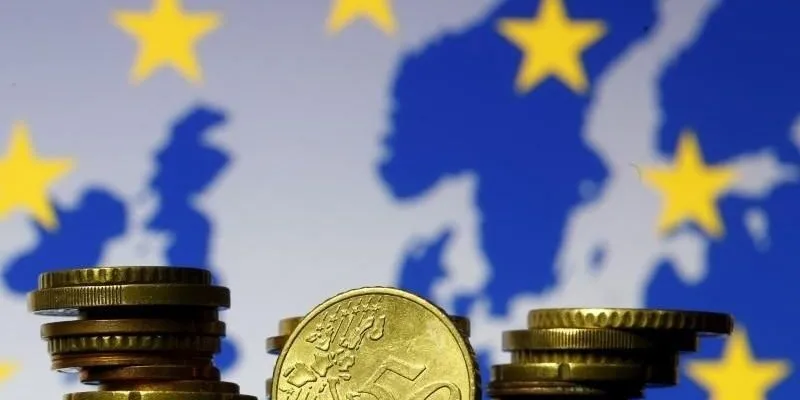
Euro economy plays a central role in shaping financial stability, trade, investment, and economic growth across Europe. As one of the world’s largest economic regions, the Eurozone influences global markets through its shared currency, integrated financial system, and coordinated monetary policies. Understanding how the Eurozone economy functions helps businesses, investors, and policymakers make informed decisions in a rapidly changing economic environment. Proeuro will help you find out the details
Understanding The Euro Economy
The European monetary union created a unique economic framework that connects multiple countries under a single currency. The structure of the Euro economy has evolved significantly since the euro’s introduction, becoming a major force in international commerce and finance.
Origins Of The Eurozone
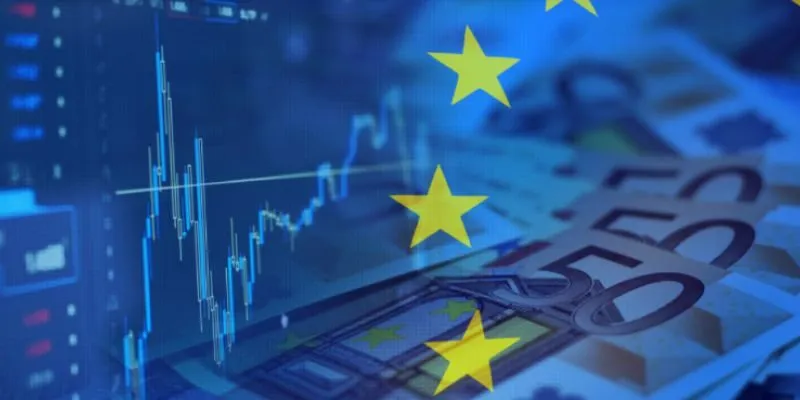
The euro was officially introduced in 1999 as a digital currency and entered circulation in 2002. It was designed to promote economic integration and simplify trade among member states. The common currency reduced exchange rate uncertainty and strengthened regional cooperation.
Economic Structure Of The Eurozone
The Eurozone consists of countries with diverse economic strengths and industrial bases. Some nations rely heavily on manufacturing, while others focus on services, tourism, or technology. This diversity contributes to overall economic resilience and growth potential.
Role Of Member States
Each participating country contributes to the overall performance of the region. Larger economies such as Germany, France, Italy, and Spain significantly influence the direction of the euro economy through production, consumption, and investment activities.
Key Drivers Of Euro Economy Growth
Several factors support expansion and long-term development within the Eurozone. These drivers help maintain competitiveness in the global marketplace while encouraging sustainable growth.
Strong Internal Market
The Eurozone benefits from a large internal market with hundreds of millions of consumers. Businesses can operate across borders with fewer financial barriers, increasing efficiency and economic activity. This integrated market supports employment and innovation.
International Trade Performance
Exports remain a major source of growth for many member countries. European companies sell machinery, vehicles, pharmaceuticals, and luxury goods worldwide. Strong trade relationships strengthen the euro economy and improve regional prosperity.
Investment and Innovation
Public and private investment contribute significantly to productivity improvements. Research programs, digital transformation initiatives, and technological innovation help businesses remain competitive in a changing economic landscape.
Euro Economy And Monetary Policy
Monetary policy is one of the most important tools for maintaining economic stability. The European Central Bank plays a crucial role in managing inflation and supporting growth.

The European Central Bank’s Function
The ECB is responsible for setting interest rates and controlling monetary conditions across the Eurozone. Its primary objective is maintaining price stability. Decisions made by the ECB influence borrowing costs and investment activity.
Interest Rates And Economic Activity
Lower interest rates can encourage spending and business expansion. Higher rates are often used to control inflationary pressures. These adjustments directly affect the performance of the euro economy and financial markets.
Managing Inflation
Inflation management remains a central challenge for policymakers. Stable prices protect purchasing power and create a predictable environment for businesses and consumers. Effective inflation control supports long-term economic confidence.
Trade And Global Influence Of The Euro Economy
The Eurozone holds a significant position in international trade and finance. Its economic influence extends well beyond European borders.
Global Trading Partnerships
The European Union maintains strong trade relationships with major economies around the world. Agreements with international partners facilitate exports and encourage economic cooperation. These partnerships contribute to sustained growth.
The Euro As A Global Currency
The euro is one of the most widely used currencies in international transactions. Many central banks hold euro reserves as part of their foreign exchange portfolios. This status enhances the global importance of the euro economy.
Foreign Investment Attraction
International investors view the Eurozone as an attractive destination due to its market size and regulatory framework. Foreign direct investment supports job creation, infrastructure development, and technological advancement.
Major Challenges Facing the Euro Economy
Despite its strengths, the eurozone faces several economic and structural challenges that require ongoing attention and policy coordination.
Economic Differences Among Members
Member countries vary significantly in terms of productivity, income levels, and fiscal capacity. These differences can complicate economic policymaking. Achieving balanced growth remains a key objective.
Public Debt Concerns
Some countries continue to manage high levels of government debt. Excessive borrowing can limit fiscal flexibility and increase financial risks. Sustainable debt management is essential for long-term stability.
Demographic Changes
Aging populations present challenges for labor markets and social welfare systems. Governments must adapt policies to maintain productivity and support economic growth. Demographic trends will influence future development across the euro economy.
The Impact Of Digital Transformation
Digitalization is reshaping industries and creating new opportunities throughout the Eurozone. Businesses are increasingly adopting advanced technologies to improve efficiency and competitiveness.
Expansion Of Digital Services
Online platforms, cloud computing, and digital commerce have transformed business operations. Companies can reach wider markets and reduce operational costs. Digital services contribute significantly to economic output.
Artificial Intelligence And Automation
AI and automation technologies are improving productivity across various sectors. Organizations can optimize processes and enhance decision-making. These innovations support the modernization of the Euro economy.
Cybersecurity And Data Protection
As digital adoption grows, cybersecurity becomes increasingly important. Strong regulations and security measures help protect businesses and consumers. Trust in digital systems is essential for continued growth.
Sustainability And Green Economic Development
Environmental sustainability has become a major priority within the Eurozone. Policymakers are promoting initiatives that support economic growth while reducing environmental impact.
Green Investment Programs
Governments and institutions are investing heavily in renewable energy and sustainable infrastructure. These projects create jobs and stimulate economic activity. Green investments also support climate objectives.
Energy Transition Strategies
Reducing dependence on fossil fuels is a central component of European economic policy. Renewable energy sources are expanding rapidly across the region. This transition contributes to long-term resilience.
Sustainable Business Practices
Companies are increasingly adopting environmentally responsible strategies. Sustainable production methods can improve efficiency and enhance competitiveness. Such initiatives strengthen the reputation of the Euro economy globally.
Conclusion
The euro economy remains one of the most influential economic systems in the world. Its integrated market, shared currency, strong trade relationships, and coordinated monetary policies provide significant advantages for member states. Strong economic policy frameworks play a vital role in maintaining competitiveness, supporting economic resilience, and addressing emerging challenges. At the same time, issues such as demographic shifts, public debt, and economic disparities require ongoing attention.