
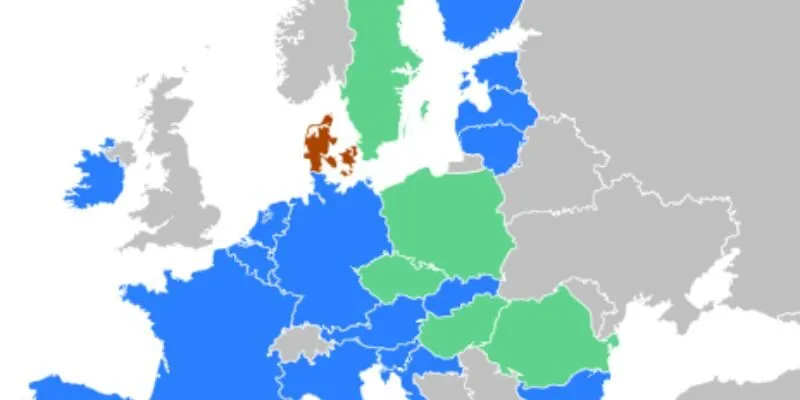
Eurozone membership remains one of the most important topics in European economic integration. It influences trade, investment, monetary policy, and political cooperation among participating countries. Understanding its advantages, challenges, and future prospects helps governments, businesses, and citizens make informed decisions about the role of the euro in Europe. Check out Proeuro for more information!
Understanding Eurozone Membership
The Eurozone is a group of European Union countries that use the euro as their official currency. Membership requires meeting economic and legal conditions designed to ensure stability and long-term success.
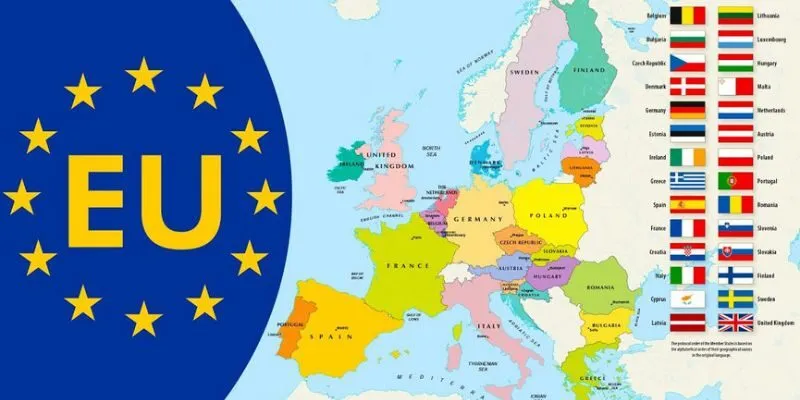
What Is the Eurozone?
The Eurozone consists of EU member states that have adopted the euro and transferred monetary policy responsibilities to the European Central Bank. These countries share a common currency while maintaining their own national governments. The arrangement aims to create a more integrated and efficient European economy.
Eligibility Requirements For Joining
Countries seeking entry must satisfy convergence criteria related to inflation, public finances, exchange rate stability, and interest rates. These standards are intended to ensure economic readiness before adoption. Compliance demonstrates a country’s ability to operate effectively within the common currency framework.
Why Countries Consider Membership
Many governments view participation as a way to strengthen economic ties with European partners. The use of a common currency can simplify transactions and improve market access. For smaller economies, it may also enhance credibility with international investors.
Economic Benefits Of Eurozone Membership
Joining the Eurozone can create several economic opportunities for member states. These advantages often influence national debates about adopting the euro.
How Eurozone Membership Improves Trade
One major benefit of Eurozone membership is the reduction of currency exchange costs between participating countries. Businesses can trade more efficiently because they no longer need to manage exchange rate fluctuations within the currency area. This environment encourages stronger commercial relationships and higher trade volumes.
Increased Foreign Investment
Investors often favor stable and predictable economic environments. Eurozone membership can improve investor confidence because it provides access to a large integrated market using a common currency. As a result, member countries may attract additional foreign direct investment and business expansion projects.
Better Price Transparency
Consumers and companies can compare prices more easily when transactions use the same currency. Eurozone membership supports transparency by eliminating exchange rate distortions between participating economies. Greater transparency can encourage competition and help improve market efficiency.
Monetary Policy And Economic Governance
The Eurozone operates under a shared monetary framework that shapes economic conditions across member states. Understanding this governance structure is essential for evaluating participation.
The Role Of The European Central Bank
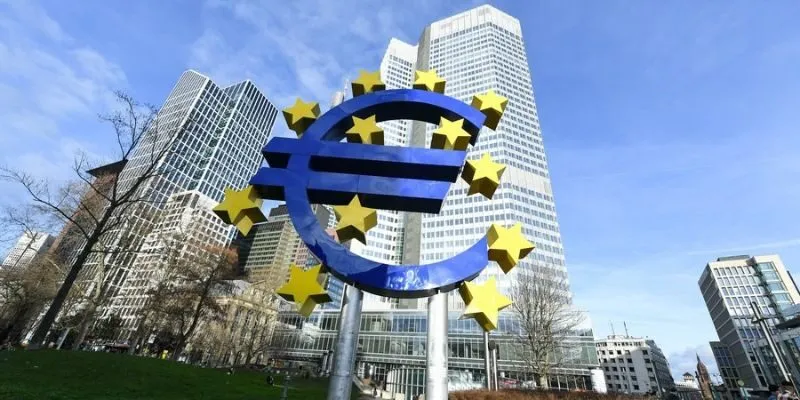
The European Central Bank manages monetary policy for Eurozone countries. Through Eurozone membership, nations benefit from a centralized institution focused on maintaining price stability. The ECB uses interest rates and other tools to support economic balance across the currency area.
Fiscal Coordination Among Members
Although monetary policy is shared, fiscal policy remains largely under national control. Eurozone membership encourages governments to coordinate budgetary decisions through agreed rules and monitoring mechanisms. These measures aim to prevent excessive deficits and promote financial discipline.
Crisis Management Mechanisms
Financial crises have highlighted the need for collective responses within the Eurozone. Eurozone membership provides access to support mechanisms designed to strengthen economic resilience during periods of instability. Cooperation among member states can help limit the impact of economic shocks.
Challenges And Risks Of Membership
Despite its benefits, Eurozone participation also involves important challenges. Countries must carefully evaluate these factors before adopting the euro.
Loss Of Independent Monetary Policy
A country that adopts the euro can no longer set its own national interest rates. Eurozone membership means monetary decisions are made collectively by the European Central Bank. This arrangement may limit flexibility when addressing country-specific economic conditions.
Economic Convergence Costs
Meeting the required entry criteria can be demanding for some economies. Eurozone membership often requires reforms that affect public spending, taxation, and financial regulation. While these adjustments may provide long-term benefits, they can involve short-term economic and political costs.
Public Opinion And Political Debate
The decision to adopt the euro frequently generates public discussion. Eurozone membership can raise concerns about national sovereignty, economic control, and cultural identity. Political leaders must often balance economic arguments with public sentiment when considering accession.
Impact On Businesses And Consumers
The effects of Eurozone participation extend beyond governments and financial institutions. Businesses and consumers experience practical changes that influence everyday economic activity.
Simplified Cross-Border Transactions
Companies operating across Europe benefit from fewer administrative barriers when using a common currency. Contracts, invoices, and payments become easier to manage. Reduced transaction complexity can lower costs and improve operational efficiency for firms of all sizes.
Greater Consumer Convenience
Travelers and shoppers enjoy the convenience of using a single currency across multiple countries. There is no need to exchange money when moving between participating states. This simplicity contributes to increased mobility and stronger economic interaction among citizens.
Enhanced Market Competition
A common currency creates a more transparent business environment. Companies must compete more directly because customers can compare prices without considering exchange rate differences. Increased competition may encourage innovation, productivity, and better value for consumers.
Eurozone Membership And Financial Stability
Financial stability remains one of the primary objectives of the Eurozone framework. Membership can influence banking systems, government finances, and overall economic confidence.
Stronger Banking Supervision
The Eurozone has introduced mechanisms to improve oversight of financial institutions. Coordinated supervision helps identify risks before they become major problems. These measures contribute to a safer and more resilient banking sector.
Reduced Currency Volatility
Countries using the euro avoid fluctuations between their national currencies and those of other members. This stability can benefit exporters, importers, and investors. Predictable currency conditions support long-term planning and investment decisions.
Improved International Credibility
Membership in a major currency area can enhance a country’s reputation in global financial markets. Investors often view participation as evidence of commitment to economic stability and policy coordination. Increased credibility may reduce borrowing costs and improve access to capital.
Future Prospects For Eurozone Membership
As the European Union evolves, discussions about expansion and reform continue. Future developments may influence how countries evaluate participation in the common currency system.
Enlargement Opportunities
Several EU member states continue to assess the path toward adoption. Eurozone membership remains an attractive goal for countries seeking deeper integration with European markets. Future enlargements could further strengthen the reach and influence of the euro.
Institutional Reforms
Policymakers regularly examine ways to improve economic governance within the Eurozone. Potential reforms may focus on fiscal coordination, financial stability, and crisis response mechanisms. Stronger institutions could increase confidence among both current and prospective members.
Long-Term Economic Integration
The euro project is closely connected to broader European integration efforts. Eurozone membership may continue to serve as a foundation for deeper cooperation in trade, finance, and policymaking. Long-term success will depend on balancing national interests with collective economic goals.
Conclusion
Eurozone membership is a significant step that affects economic policy, trade, investment, and financial stability. Euro Membership offers benefits such as reduced transaction costs, stronger market integration, and increased investor confidence, making it an attractive option for many countries seeking deeper economic cooperation. However, participation also requires countries to accept shared monetary governance and certain policy constraints.